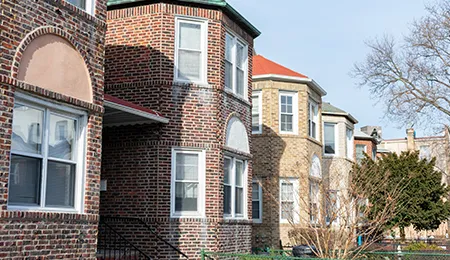
 How to Price an Older Home in Mineola, NY Without Overpricing or Undervaluing It
How should you price an older home in Mineola, NY without asking too much or overlooking its value?
To price an older home in Mineola, NY, you should compare recent sales of similar properties, evaluate your home's actual condition, distinguish original features from deferred maintenance, and study current competing listings. The right asking price should reflect your property's layout, usable space, documented improvements, renovation needs, location, and the alternatives available to buyers—not simply its age.
Why Pricing an Older Home in Mineola, NY Requires a Different Approach
If you're researching how to price an older home in Mineola NY, you may be facing a familiar challenge.
Your property has features that make it distinctive.
Perhaps it has original woodwork, a traditional floor plan, or architectural details you appreciate.
At the same time, the kitchen may be dated.
The bathrooms may have older finishes.
Some components may need attention.
And nearby listings may feature extensive renovations.
So how do you determine a competitive asking price without undervaluing your property?
The answer begins by separating three things:
What makes your home valuable, what buyers may want to change, and what the current market supports.
An Older Home Isn't Automatically Worth Less
A property's age is one characteristic among many.
An older Mineola home may offer useful space, architectural details, a particular lot configuration, or a layout that appeals to certain buyers.
Another property of similar age may have substantial deferred maintenance or functional limitations.
These differences matter.
Don't assume your home should be discounted simply because it wasn't recently built.
At the same time, don't assume original features automatically justify a premium.
The right valuation depends on the property's complete characteristics and how buyers compare them with available alternatives.
Start With a Property-Specific Market Analysis
Before choosing an asking price, review relevant recent comparable sales.
A useful analysis considers:
- Property type
- Location
- Interior and exterior condition
- Layout and usable space
- Architectural characteristics
- Documented renovations
- Lot size and configuration, where applicable
- Transportation access
- Current competing listings
- Recent buyer activity
The objective isn't to find the highest sale in Mineola.
It's to identify properties that help explain what buyers may realistically pay for yours.
Compare Older Homes With Similar Older Homes
Suppose a nearby property sold after receiving a completely renovated kitchen, updated bathrooms, and extensive interior improvements.
Your home has similar square footage but retains older finishes.
Should you use the renovated sale as your asking price?
Not automatically.
The properties may share important characteristics, but their conditions differ.
A comparative market analysis should account for those differences.
Similarly, don't assume a property needing extensive repairs is an appropriate benchmark for a carefully maintained older home.
Condition matters more than a simple label such as "updated" or "dated."
Understand the Difference Between Age, Appearance, and Condition
These three concepts are often confused.
Age: How old the property or individual component is.
Appearance: How the feature looks.
Condition: How it functions and has been maintained.
A kitchen can be older but functional.
A bathroom can have dated finishes without requiring immediate replacement.
A recently remodeled room may still contain components that need attention.
When pricing your home, evaluate the actual condition rather than relying solely on appearance.
Original Features May Contribute to Your Home's Appeal
Some older Mineola homes contain architectural details that distinguish them from newer or extensively remodeled properties.
Depending on the home, these might include original woodwork, built-in cabinetry, fireplaces, distinctive trim, or other design elements.
These features may contribute to a property's appeal.
However, their effect on market value depends on the individual property and buyer response.
Don't assume every original feature adds a specific dollar amount.
Instead, identify which characteristics genuinely differentiate your home and communicate them accurately.
Deferred Maintenance Is Different From Original Character
Original character and deferred maintenance aren't the same thing.
A traditional floor plan may be an architectural characteristic.
Damaged trim, malfunctioning fixtures, or unresolved maintenance issues are different considerations.
When evaluating your property's condition, separate features you want to preserve from problems that may need attention.
This distinction can help you determine which improvements are worth considering before listing.
How Renovations Affect an Older Mineola Home's Value
Renovations can influence a property's competitive position.
But not every renovation contributes the same amount of value.
A substantial kitchen remodel may change how buyers compare your home with other listings.
So might updated bathrooms, improved functionality, or documented major improvements.
However, the amount spent on a project doesn't automatically equal the amount added to the property's market value.
Before making major improvements, evaluate the likely cost, timing, and potential market benefit.
Don't Price Based on Renovation Costs Alone
Imagine you've invested a substantial amount in improvements over several years.
Those projects may have enhanced your enjoyment of the property.
They may also influence how buyers perceive its condition.
But buyers generally compare the home with other available properties.
They don't necessarily reimburse every dollar of past renovation expense.
Your pricing strategy should reflect current market competition, not simply your historical spending.
Understand Which Improvements Are Documented
If your Mineola home has undergone additions, conversions, or major renovations, organize relevant records.
Depending on the property, these may include permits, certificates, approvals, surveys, and other documentation.
Mineola is an incorporated village with its own municipal government.
Certain property-related requirements may be administered through village or other applicable authorities.
Official information is available through the Village of Mineola.
Your attorney and appropriate professionals can help evaluate transaction-specific requirements.
Accurate documentation supports a clearer understanding of what is being marketed.
Don't Assume Every Finished Area Has the Same Status
Older homes sometimes change over time.
A basement may have been finished.
An attic may have been modified.
A room may have been converted.
An addition may have been constructed.
Before representing any space in your listing, investigate relevant records and applicable requirements.
Don't assume every finished area can automatically be described as legally recognized living space.
Your attorney and appropriate professionals can help clarify property-specific questions.
Layout Can Influence Value Independently of Square Footage
Two homes with similar reported square footage may function very differently.
One may have an efficient floor plan.
Another may contain rooms that are difficult to use.
When evaluating your Mineola property, consider how the layout supports everyday activities.
Does the kitchen connect conveniently with living areas?
Is there useful storage?
Are rooms proportioned in a way that supports practical use?
Can buyers easily understand the floor plan?
A property's functionality may influence how it competes with similar-sized homes.
Lot Characteristics May Matter
For detached homes, lot size and configuration can influence buyer interest.
However, a larger lot isn't automatically more valuable in every comparison.
Usability matters.
So do landscaping, driveways, outdoor entertaining areas, maintenance responsibilities, and the relationship between the house and yard.
When comparing sales, investigate meaningful lot differences rather than focusing only on the reported dimensions.
Transportation Can Be Part of Your Home's Value Proposition
Mineola has a Long Island Rail Road station on the Main Line.
For buyers who regularly travel toward Queens or Manhattan, transportation may be an important consideration.
Current station information and schedules are available through the Long Island Rail Road.
However, the complete commute depends on the property's location, train schedule, and destination.
If transportation access is a genuine feature of your property, describe it accurately.
Avoid promising a particular commute time.
Property Taxes Are Part of the Ownership Picture
Buyers evaluating your Mineola home may also consider its property taxes.
Because Mineola is an incorporated village, owners should investigate applicable village-related tax components and services.
Official assessment information is available through the Nassau County Department of Assessment.
Before listing, verify your property's actual taxes and applicable taxing jurisdictions.
Current tax amounts may reflect exemptions or circumstances associated with the existing owner.
A future buyer's obligations may differ.
Your attorney and appropriate professionals can help clarify transaction-specific questions.
Why Active Listings Matter When Pricing an Older Home
Closed transactions show what buyers previously paid.
Active listings show what buyers can purchase today.
Both matter.
Suppose recent sales suggest a particular value range for your Mineola property.
Then several competing homes enter the market with updated interiors or other appealing features.
Your potential buyers will see those alternatives.
Your pricing strategy should reflect the competition available when your property launches.
Don't Let One High Sale Set Your Asking Price
A nearby property may have sold for an impressive amount.
But that sale may have involved different condition, layout, usable space, renovations, lot characteristics, or transaction circumstances.
Before using it as a benchmark, investigate why the property achieved its sale price.
One transaction shouldn't automatically define the value of every nearby home.
Don't Let One Low Sale Define Your Home Either
The opposite mistake can happen.
Perhaps a nearby property sold for less than you expected.
Before assuming your home is worth a similar amount, investigate its condition, property type, layout, renovations, and transaction circumstances.
A lower sale may provide useful information.
But it shouldn't be used without context.
A strong valuation considers multiple relevant properties and explains their differences.
Should You Price Your Older Home Below Renovated Listings?
Sometimes a condition difference may support a pricing adjustment.
But the appropriate amount depends on the actual properties and current market.
Don't apply an arbitrary percentage discount simply because your kitchen or bathrooms are older.
Instead, compare similar properties and evaluate how condition differences affect their competitive positions.
Your asking price should be supported by evidence rather than a generic formula.
Should You Renovate Before Listing?
Not necessarily.
Some Mineola homeowners assume they need a new kitchen, updated bathrooms, or major improvements before selling.
But substantial renovations can introduce costs, delays, and uncertainty.
Before beginning, ask:
What might my property sell for in its current condition?
What do competing homes offer?
Which improvements could meaningfully affect buyer perception?
What would the project cost?
How long would it delay my listing?
Would the expected benefit justify the investment?
Analyze first. Spend second.
Smaller Improvements May Be Worth Considering
Even if a major renovation isn't appropriate, smaller projects may improve presentation.
Depending on the property, consider:
- Addressing visible maintenance
- Deep cleaning
- Decluttering
- Painting where appropriate
- Improving lighting
- Repairing damaged trim or hardware
- Preparing outdoor areas
- Organizing storage spaces
The goal isn't to make an older home look newly built.
It's to help buyers recognize its genuine strengths.
Professional Photography Should Show the Property Accurately
Older homes can have distinctive architectural details, room proportions, and natural light.
Professional-quality photography should communicate these features clearly.
At the same time, listing images shouldn't materially misrepresent the property's condition.
Your marketing should help buyers understand the home they'll actually see during a showing.
Build a Marketing Story Around the Home You Have
What makes your Mineola property worth considering?
Perhaps it's a functional floor plan.
Maybe it has original architectural details.
Your home might offer documented improvements, useful storage, outdoor space, or transportation access.
Identify the characteristics that genuinely differentiate it.
Then reinforce them through accurate listing descriptions and professional photography.
Generic adjectives aren't a substitute for meaningful property information.
Pricing Is Competitive Positioning
Your asking price determines which properties buyers compare with yours.
Imagine your home appears compelling at one price.
Increase the asking price substantially.
Now buyers may expect additional renovations, more usable space, different amenities, or another property type.
Your home hasn't changed.
But its competitive position has.
That's why pricing should begin with a property-specific market analysis.
Why Starting Too High Can Be Risky
Some sellers prefer to start above the anticipated market range.
The reasoning is understandable:
"We can always reduce the price."
But your property only launches as a new listing once.
Active buyers may notice it quickly.
If they perceive stronger value elsewhere, some may move on.
A later adjustment can improve your competitive position.
It doesn't guarantee those buyers return.
Why Underpricing Without a Strategy Can Also Be a Mistake
Some homeowners worry that an older property will be difficult to sell.
As a result, they may consider pricing substantially below what comparable market evidence supports.
But age alone doesn't determine value.
If your home offers desirable characteristics and has been appropriately maintained, those features deserve consideration.
A competitive pricing strategy should be intentional—not based on assumptions that older automatically means less valuable.
Monitor Buyer Feedback After Launch
Your initial pricing strategy is based on information available before listing.
Once buyers begin responding, monitor showing requests, second visits, buyer questions, feedback, offers, new competing listings, and competitor price adjustments.
These signals can help you evaluate whether your property is positioned effectively.
If activity is weaker than anticipated, investigate whether pricing, presentation, condition, showing access, or competition may be contributing.
Market feedback should inform your strategy.
Evaluate Offers Beyond the Purchase Price
The highest offer isn't automatically the strongest complete offer.
Depending on the transaction, relevant considerations may include financing, contingencies, closing timing, contractual terms, and transaction certainty.
Your attorney and appropriate professionals can help evaluate transaction-specific details.
The strongest offer should support both your sale and your plans afterward.
Coordinate Your Sale With Your Next Move
If you're selling an older Mineola home to purchase another property, your next move may influence your pricing and preparation strategy.
Ask:
Do I need the sale proceeds for my next purchase?
How much equity do I expect to use?
How much liquidity do I want afterward?
When do I need to move?
Would major renovations delay my plans?
How should I evaluate offers in the context of my next transaction?
Planning early can help you make more informed decisions.
A Mineola Older-Home Pricing Checklist
Before choosing your asking price, work through these steps:
- Request a personalized home value estimate.
- Review relevant recent comparable sales.
- Compare current competing listings.
- Evaluate your home's actual condition.
- Separate original features from deferred maintenance.
- Identify documented improvements.
- Review layout and usable space.
- Evaluate lot characteristics, where applicable.
- Verify property taxes and municipal information.
- Consider transportation and location features.
- Evaluate potential repairs and cosmetic improvements.
- Avoid assuming renovation costs equal market value.
- Prepare accurate professional photography.
- Establish a competitive asking price.
- Monitor buyer feedback after listing.
This process helps you price based on evidence rather than assumptions.
Final Takeaway: How to Price an Older Home in Mineola, NY
If you're researching how to price an older home in Mineola NY, don't assume your property's age automatically reduces its value.
And don't assume original features or past renovation expenses automatically justify a premium.
Start with relevant comparable sales.
Study current competition.
Evaluate the property's actual condition.
Identify its distinctive features.
Understand its layout, usable space, documented improvements, lot characteristics, transportation, taxes, and ownership responsibilities.
Then determine an asking price that reflects how your home competes in today's market.
As Maureen Folan, Queens & Long Island Real Estate Expert, I help homeowners evaluate these decisions property by property.
Because the goal isn't simply to choose the highest asking price—or the lowest.
It's to position your Mineola home competitively while recognizing the value of the property you actually own. 
Request Your Personalized Mineola Home Value Estimate
Wondering how to price your older Mineola home?
Request a Personalized Mineola Home Value Estimate from Maureen Folan Real Estate Group.
We'll review your property's condition, layout, architectural characteristics, documented improvements, relevant recent sales, and current competition to help determine how it may be positioned in today's market.
You can also request the Home Seller Preparation Checklist before spending money on repairs, painting, staging, landscaping, or major renovations.
Whether you're moving elsewhere on Long Island, relocating toward Queens, or planning another transition, let's develop a pricing and selling strategy around your property and your goals.
Maureen Folan
Queens & Long Island Real Estate Expert
Maureen Folan Real Estate Group
MaureenFolan.com