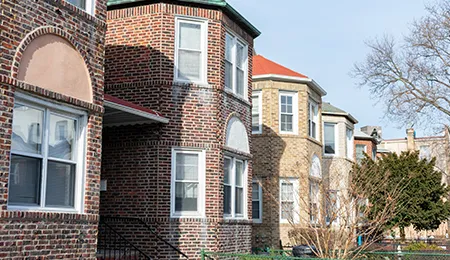
 Selling a Home in Lynbrook, NY: How to Prepare, Price, and Position Your Property
What should you do before selling a home in Lynbrook, NY?
Before selling a home in Lynbrook, NY, you should understand your property's current market value, review competing listings, organize relevant documentation, and prepare the home for professional marketing. A successful strategy combines competitive pricing, thoughtful preparation, accurate property information, effective presentation, and a clear plan for your next move.
Selling a Home in Lynbrook, NY Starts With Understanding Your Competition
If you're considering selling a home in Lynbrook, NY, your first question may be:
"How much could my house sell for?"
That's an important starting point.
But there's another question that can shape your entire selling strategy:
"What else can buyers purchase for approximately the same amount?"
Your home doesn't compete in isolation.
Potential buyers may compare Lynbrook properties with homes in East Rockaway, Rockville Centre, Malverne, Valley Stream, and other nearby communities.
They'll evaluate price, condition, layout, usable space, property taxes, transportation, and maintenance responsibilities.
Understanding those alternatives can help you position your home effectively.
Understanding Lynbrook's Real Estate Landscape
Lynbrook is an incorporated village within the Town of Hempstead in Nassau County.
The village has its own local government and certain municipal responsibilities.
Official information is available through the Village of Lynbrook and the Town of Hempstead.
Individual Lynbrook homes can differ considerably in architectural style, condition, renovation history, layout, and lot characteristics.
Some properties may offer convenient access to the Long Island Rail Road.
Others may appeal to buyers seeking different interior features or outdoor space.
These differences influence how your home should be priced and marketed.
Rather than relying on broad assumptions about Lynbrook real estate, focus on your property's individual competitive position.
Start With a Personalized Lynbrook Home Value Estimate
Automated valuation websites can provide a general starting point.
However, they may not fully account for features that distinguish your home from nearby properties.
A personalized market analysis should consider:
- Relevant recent closed sales
- Current competing listings
- Pending transactions where useful
- Property condition
- Interior layout and usable space
- Renovations and documented improvements
- Lot characteristics
- Outdoor features
- Property-specific location
- Current buyer activity
The objective isn't to identify the highest nearby sale and assume your home should achieve the same price.
It's to determine which properties buyers would realistically compare with yours.
The Closest Sale Isn't Always the Best Comparable
Suppose a Lynbrook home around the corner recently sold for an attractive price.
Before using that transaction as your benchmark, investigate the differences.
Was it renovated?
Did it offer similar usable space?
How did its layout compare?
Was the lot similar?
What improvements were included?
Was its condition comparable?
Geographic proximity matters.
But property similarity matters too.
A strong pricing analysis considers both.
Active Listings Show What Buyers Can Purchase Today
Closed sales explain what buyers previously paid.
Active listings show what buyers can purchase now.
Suppose recent transactions appear to support your intended asking price.
Then several competing Lynbrook properties enter the market with updated interiors, functional layouts, or other compelling features.
Your potential buyers will see those homes too.
Your pricing strategy should reflect the competition available when your property actually launches.
The market you're entering matters as much as the market you're studying.
Your Competition May Extend Beyond Lynbrook
Depending on their budgets and priorities, buyers may also consider nearby communities.
That doesn't make those locations interchangeable.
It means some buyers evaluate properties across several areas before making a decision.
Ask yourself:
"What other homes would my likely buyer consider?"
Understanding those alternatives helps you identify your property's genuine competitive strengths.
Lynbrook Property Taxes Are Part of the Buyer's Decision
Buyers often evaluate more than the asking price.
They may compare mortgage payments, property taxes, insurance, utilities, maintenance, and expected improvements.
Official assessment information is available through the Nassau County Department of Assessment.
Because Lynbrook is an incorporated village, buyers should also investigate applicable village-related tax components and services.
Before listing, review your property's actual tax information.
Current amounts may reflect exemptions or circumstances associated with the existing owner.
Your attorney and other appropriate professionals can help clarify transaction-specific information.
Avoid guaranteeing that a future buyer's taxes will match your current bill.
Organize Your Home's Improvement Documentation
If you've completed significant renovations or additions, begin gathering relevant records.
Depending on the property, these may include:
Permits.
Certificates.
Approvals.
Warranties.
Receipts.
Surveys.
Other property-related documentation.
Your attorney and appropriate professionals can help determine which records are relevant.
Organized information can make it easier to address buyer questions during the transaction.
Should You Renovate Before Selling Your Lynbrook Home?
Not necessarily.
Some homeowners assume they need a new kitchen, updated bathrooms, or extensive exterior improvements before listing.
But major construction can introduce substantial costs and delays.
Before beginning, ask:
What might my property sell for in its current condition?
What do competing homes offer?
Which improvements could meaningfully affect buyer perception?
What would the project cost?
How long would it delay my listing?
Would the expected benefit justify the investment?
Analyze first. Spend second.
Separate Repairs, Refreshes, and Renovations
A practical preparation strategy involves three categories.
Repairs
Address damaged, malfunctioning, visibly deteriorated, or unfinished items.
Examples may include leaking fixtures, damaged trim, failed lighting, broken hardware, or visible exterior maintenance.
Cosmetic Refreshes
Consider cleaning, decluttering, paint, lighting, landscaping, and furniture arrangement.
These changes may improve presentation without requiring major construction.
Major Renovations
Evaluate substantial kitchen, bathroom, structural, or layout projects individually.
The larger the investment, the stronger the market-based justification should be.
Deep Cleaning Can Improve Presentation
Before replacing older features, make sure they're clean and properly presented.
Pay attention to kitchens, bathrooms, floors, windows, appliances, fixtures, and storage areas.
A clean property helps buyers focus on the home's features rather than unnecessary distractions.
Declutter to Reveal Usable Space
Crowded rooms can make layouts difficult to understand.
Too much furniture can obscure usable space.
Packed countertops can make kitchens feel smaller.
Begin organizing and packing items you won't need during the listing period.
Pay attention to closets, pantries, garages, and other storage areas.
Your goal isn't to make the property empty.
It's to make its space and functionality easier to recognize.
Make Natural Light Part of Your Presentation
Lighting can influence how buyers experience a property.
Before photography and showings:
Replace failed bulbs.
Clean fixtures.
Open appropriate window coverings.
Clean windows.
Remove unnecessary objects blocking natural light.
Evaluate whether highly visible fixtures need attention.
Help buyers experience the brightness your property genuinely provides.
Exterior Presentation Begins Before Buyers Enter
Buyers start evaluating your property before walking through the front door.
Review:
Landscaping.
Driveway.
Walkways.
Front entrance.
Exterior lighting.
Visible maintenance.
Outdoor furniture.
Patios or decks where applicable.
Start with cleanliness and care rather than expensive redesign.
Lynbrook's LIRR Station May Be Relevant to Buyers
Lynbrook has Long Island Rail Road service.
For buyers who regularly travel toward Queens or Manhattan, transportation may be an important consideration.
Current station information and schedules are available through the Long Island Rail Road.
However, the complete commute depends on the individual property and buyer's destination.
If transportation access is a genuine feature of your home, describe it accurately rather than promising a particular commute experience.
Highlight Lynbrook's Local Amenities Objectively
Depending on your property's location, buyers may consider access to transportation, shopping, restaurants, public parks, and other local destinations.
Some buyers may prioritize interior space or outdoor property.
Others may place greater importance on transportation.
Describe objective location characteristics and allow buyers to determine which amenities matter to them.
Avoid assuming every buyer has the same preferences.
Professional Photography Is Part of Your Launch
Many buyers will first encounter your property online.
Professional-quality photographs should communicate:
Exterior appearance.
Primary living spaces.
Kitchen.
Bathrooms.
Natural light.
Layout.
Outdoor areas.
Distinctive features.
The objective isn't to make the property appear substantially different from reality.
It's to make its genuine strengths easy to recognize.
Your Listing Needs a Clear Marketing Story
What should buyers remember about your home?
Perhaps it's a functional layout.
Maybe it's extensive documented improvements.
Your property might offer attractive outdoor space, generous storage, or convenient transportation access.
Identify its strongest differentiators.
Then reinforce those features through accurate listing descriptions and professional photography.
Generic adjectives aren't a substitute for meaningful property information.
Pricing Is Competitive Positioning
Your asking price determines which properties buyers compare with yours.
Imagine your home appears compelling at one price.
Increase the asking price substantially.
Now buyers may expect additional renovations, more usable space, different amenities, or another property type.
Your home hasn't changed.
But its competitive position has.
That's why pricing should begin with a property-specific market analysis.
Why Starting Too High Can Be Risky
Some sellers prefer to start above the anticipated market range.
The reasoning is understandable:
"We can always reduce the price."
But your home only launches as a new listing once.
Active buyers may notice it quickly.
If they perceive stronger value elsewhere, some may move on.
A later adjustment can improve your competitive position.
It doesn't guarantee those buyers return.
Make Your Home Reasonably Accessible
Once your property is listed, interested buyers need opportunities to see it.
Plan your showing process in advance.
How much notice do you require?
Which times genuinely don't work?
How quickly can requests be confirmed?
How will the property be prepared?
You don't need unlimited availability.
But unnecessary restrictions can reduce opportunities for serious buyers to experience your home.
Monitor Market Feedback After Launch
Your initial strategy is based on information available before listing.
Once buyers begin responding, monitor:
Showing requests.
Second visits.
Buyer questions.
Feedback.
Offers.
New competing listings.
Properties going under contract.
Price adjustments among competitors.
These signals can help you evaluate whether your property is positioned effectively.
Evaluate Offers Beyond the Purchase Price
The highest offer isn't automatically the strongest complete offer.
Depending on the transaction, relevant considerations may include financing, contingencies, closing timing, contractual terms, and transaction certainty.
Your attorney and other appropriate professionals can help evaluate transaction-specific details.
The strongest offer should support both your sale and your plans afterward.
Coordinate Your Lynbrook Sale With Your Next Move
Where are you going after selling?
Purchasing another Long Island home?
Moving toward Queens?
Relocating elsewhere?
Your next move can influence your preparation budget, listing timeline, preferred closing date, offer priorities, and financial reserves.
If you're purchasing another property, determine whether you need the sale proceeds to complete that transaction.
Planning early can reduce unnecessary pressure.
A Lynbrook Seller's Preparation Checklist
Before listing, work through these steps:
- Request a personalized home value estimate.
- Review relevant comparable sales and current competition.
- Confirm property-specific tax and village information.
- Organize improvement documentation.
- Identify your home's strongest features.
- Address visible maintenance.
- Deep clean and declutter.
- Organize closets and storage areas.
- Evaluate lighting and paint.
- Prepare landscaping and outdoor areas.
- Consider major renovations cautiously.
- Plan professional photography and marketing.
- Establish competitive pricing and showing access.
- Monitor buyer feedback after launch.
- Coordinate the sale with your next move.
You don't need to make every part of your home new.
You need to communicate its genuine value clearly.
Final Takeaway: Selling a Home in Lynbrook, NY
If you're selling a home in Lynbrook, NY, begin with the property you actually own and the alternatives buyers can purchase today.
Understand its condition, layout, usable space, improvements, lot, location, and property-specific considerations.
Prepare strategically.
Address visible maintenance.
Deep clean and declutter.
Organize relevant documentation.
Use professional photography.
Price according to current competition.
Monitor buyer feedback.
And connect your selling strategy with whatever comes next.
As Maureen Folan, Queens & Long Island Real Estate Expert, I help homeowners evaluate these decisions property by property.
Because successful selling isn't about making your home identical to every other listing.
It's about making the value of the property you already own easy for serious buyers to recognize. 
Get a Personalized Home Value Estimate
Thinking about selling your Lynbrook home?
Get a Personalized Home Value Estimate from Maureen Folan Real Estate Group.
We'll review your property's condition, layout, usable space, documented improvements, lot characteristics, relevant recent sales, and current competition to help determine how your home may be positioned in today's market.
You can also request the Home Seller Preparation Checklist before spending money on repairs, painting, landscaping, staging, or major renovations.
Whether you're moving elsewhere on Long Island, relocating toward Queens, or planning another transition, let's develop a strategy around your property and your goals.
Maureen Folan
Queens & Long Island Real Estate Expert
Maureen Folan Real Estate Group
MaureenFolan.com