 The Complete Guide to Buying and Selling Real Estate in Freeport, NY
What should you know about Freeport, NY real estate before buying, selling, or relocating?
Whether you're buying or selling in Freeport, NY, understanding the individual property's condition, market value, taxes, location, transportation, and ownership expenses is essential. Freeport also has distinctive waterfront real estate considerations, including flood-zone designations, insurance, and maintenance responsibilities that should be evaluated carefully when applicable.
Understanding Freeport, NY Real Estate
If you're researching Freeport NY real estate, you'll discover a Nassau County community with a variety of residential properties, waterfront locations, transportation options, and local amenities.
Freeport is an incorporated village within the Town of Hempstead.
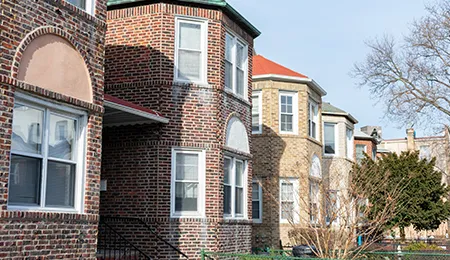
The community includes properties with different architectural styles, layouts, renovation histories, lot characteristics, and proximity to waterways.
Some homes offer waterfront access.
Others are located farther inland.
Some properties have been extensively renovated, while others may provide opportunities for buyers comfortable making improvements.
For sellers, these differences influence how your property should be priced and marketed.
For buyers, they influence the complete ownership experience.
The most important principle is to evaluate Freeport real estate property by property.
What Makes Freeport Different From Other Long Island Communities?
Freeport has several recognizable characteristics that can be relevant to real estate decisions.
These include:
- Long Island Rail Road service
- An incorporated village government
- Waterfront residential properties
- The Nautical Mile along Woodcleft Avenue
- Access to local restaurants and commercial destinations
- Different residential property types
- Property-specific flood and insurance considerations
These features don't affect every property or buyer in the same way.
Your goal should be to determine which characteristics are relevant to your actual purchase or sale.
Official municipal information is available through the Village of Freeport.
Buying a Home in Freeport, NY: Where Should You Start?
If you're considering buying a home in Freeport, begin by identifying your priorities.
How much interior space do you need?
What layout works best for you?
How much storage do you want?
Would you prefer move-in-ready condition?
Are you willing to renovate?
Do you want outdoor property?
Is waterfront access important?
How frequently will you use public transportation?
What complete ownership cost is comfortable?
These questions help you distinguish between attractive listings and properties that genuinely support your goals.
Related article: What Buyers Should Know Before Buying a Home in Freeport, NY.
Establish Your Complete Ownership Budget
One of the biggest mistakes buyers can make is evaluating affordability based only on the asking price.
For every serious Freeport property, consider:
Purchase price + financing costs + property-specific taxes + insurance + utilities + maintenance + landscaping + expected repairs and improvements.
Additional expenses may apply depending on the property.
For example, a waterfront home may have maintenance or insurance considerations that differ from an inland property.
A renovated home may require less immediate cosmetic work.
An older property may need improvements sooner.
The strongest purchase is one you can comfortably own after closing.
Understanding Freeport Property Taxes
Property taxes are an important part of your ownership budget.
Don't assume two Freeport homes with similar asking prices have identical tax obligations.
Official assessment information is available through the Nassau County Department of Assessment.
Because Freeport is an incorporated village, buyers should also investigate applicable village-related tax components and services.
Current tax amounts may reflect exemptions or circumstances associated with the existing owner.
Your attorney and appropriate professionals can help clarify transaction-specific questions.
For sellers, providing accurate available tax information can help buyers evaluate the property.
Waterfront Homes in Freeport Require Additional Research
One distinctive part of the Freeport real estate market is its waterfront property inventory.
Some homes are located near canals or other waterways.
Depending on the property, buyers may encounter:
Docks.
Bulkheads.
Waterfront outdoor areas.
Boat-access features.
Water views.
Additional maintenance responsibilities.
However, waterfront properties aren't interchangeable.
Two homes with similar water access may have different structural conditions, documentation, insurance costs, and ownership obligations.
Evaluate the individual property carefully.
Understand Flood-Zone and Insurance Considerations
Some Freeport properties may have flood-zone or coastal insurance considerations.
Official flood-map information is available through the FEMA Flood Map Service Center.
If you're considering a property in a designated flood zone, investigate applicable insurance requirements and expenses.
Depending on the property, it may also be useful to review available flood history, elevation information, and relevant documentation.
Your attorney and appropriate insurance professionals can help clarify property-specific questions.
Don't assume that every Freeport home has the same flood designation or insurance requirements.
Waterfront Maintenance Is Part of the Ownership Experience
If a property includes a dock, bulkhead, or other waterfront structure, understand its condition and maintenance responsibilities.
Ask:
What structures are included?
What documentation is available?
What repairs may be necessary?
Are relevant permits or approvals available?
What rights or restrictions apply?
What future expenses should be anticipated?
The goal isn't to discourage waterfront ownership.
It's to make sure you're evaluating the complete property rather than only its appearance.
Home Condition Matters More Than Cosmetic Finishes
A beautifully renovated kitchen can create an excellent first impression.
But it doesn't tell you the condition of the entire home.
Similarly, an older-looking property may have been carefully maintained.
Separate:
Appearance: How the property looks.
Age: How old particular features and components are.
Condition: How those components function and have been maintained.
Appropriate professional inspections and due diligence can help buyers better understand a property's physical condition.
Understand Renovations, Additions, and Property Documentation
Individual homes can change significantly over time.
Some properties may have undergone additions, conversions, or substantial renovations.
Before purchasing, investigate what work was completed and what documentation exists.
Your attorney and other appropriate professionals can help evaluate relevant permits, certificates, surveys, title information, and other transaction-specific records.
For sellers, organizing available documentation before listing can make buyer questions easier to address.
Layout Can Matter More Than Square Footage
Two Freeport homes with similar reported square footage can function very differently.
During a showing, imagine you've already moved in.
Where do you enter?
How does the kitchen connect with the living areas?
Where would you work?
How much storage exists?
Which rooms would you actually use?
How do you access outdoor spaces?
A functional layout may provide more practical value than additional space you won't regularly use.
Evaluate the Lot and Outdoor Space
Outdoor property deserves its own analysis.
Consider:
Lot size and usability.
Landscaping.
Trees.
Driveway.
Outdoor entertaining areas.
Privacy features.
Maintenance.
Relationship between the house and yard.
If you're considering a waterfront home, evaluate any additional structures and responsibilities.
A larger lot isn't automatically a better lot.
The right property provides outdoor space you actually want to use and maintain.
Freeport's Long Island Rail Road Service
Freeport has an LIRR station.
For buyers who regularly travel toward Queens or Manhattan, transportation may be an important consideration.
Current schedules and station information are available through the Long Island Rail Road.
But the existence of a station doesn't determine your complete commute.
Evaluate transportation from the actual property.
Consider how you'll reach the station, which service you'll use, your destination, and the return trip.
If commuting is important, test your likely route under realistic conditions when practical.
Exploring Freeport's Nautical Mile
Freeport's Nautical Mile along Woodcleft Avenue is one of the community's recognizable destinations.
The area includes waterfront restaurants, marine-related businesses, and other commercial activity.
If these amenities interest you, consider how they fit your routine.
How often would you visit?
How would you get there?
Does the property's location make those activities convenient?
Amenities provide practical value when they're relevant to how you want to live.
Selling a Home in Freeport, NY: Start With Your Competition
If you're selling a home in Freeport, begin with one important question:
"What else can my likely buyer purchase for approximately the same amount?"
Buyers may compare your home with other Freeport listings and properties in nearby communities.
They'll evaluate:
Price.
Condition.
Layout.
Usable space.
Lot characteristics.
Renovations.
Transportation.
Property taxes.
Insurance considerations.
Waterfront features where applicable.
Your selling strategy should identify what genuinely differentiates your property.
Related article: Selling a Home in Freeport, NY: How to Prepare, Price, and Position Your Property.
How Much Is Your Freeport Home Worth?
An automated valuation can provide a starting point.
However, a property-specific market analysis should consider:
- Relevant recent comparable sales
- Current competing listings
- Pending activity where useful
- Property condition
- Layout and usable space
- Documented improvements
- Lot characteristics
- Waterfront features where applicable
- Property-specific location
- Current buyer activity
The objective isn't to identify the highest nearby sale.
It's to understand how your home compares with properties buyers can realistically purchase instead.
Closed Sales and Active Listings Serve Different Purposes
Closed transactions show what buyers previously paid.
Active listings show what buyers can purchase today.
Both matter.
Suppose recent sales support your intended asking price.
Then several competing homes enter the market with attractive renovations or other compelling features.
Your potential buyers will see those properties too.
Your pricing strategy should reflect the competition present when you actually list.
Should You Renovate Before Selling?
Not necessarily.
Some sellers assume they need a new kitchen, updated bathrooms, or major exterior improvements before listing.
But significant renovations can introduce costs and delays.
Before beginning, ask:
What might the home sell for in its current condition?
What do competing properties offer?
Which improvements could meaningfully affect buyer perception?
What would the project cost?
How long would it take?
Would the expected benefit justify the investment?
Analyze your market position before committing to major work.
Prepare Your Freeport Home Strategically
A practical preparation strategy starts with three categories.
Repairs: Address damaged, malfunctioning, visibly deteriorated, or unfinished items.
Cosmetic refreshes: Consider deep cleaning, decluttering, lighting, paint, landscaping, and furniture arrangement.
Major renovations: Evaluate substantial projects individually based on cost, timing, and expected market benefit.
You don't need to make every part of your property new.
You need to make its genuine value easy to recognize.
Professional Photography and Marketing Matter
Many buyers first encounter a property online.
Professional-quality photography should communicate:
Exterior appearance.
Primary living spaces.
Kitchen.
Bathrooms.
Natural light.
Layout.
Outdoor areas.
Distinctive features.
For waterfront properties, photography may also help explain the relationship between the home and its waterfront setting.
The objective isn't to make the property appear unrealistically different.
It's to present its actual strengths clearly.
Pricing Your Freeport Home Strategically
Pricing is competitive positioning.
Your asking price determines which properties buyers compare with yours.
Increase the asking price substantially, and buyers may expect more renovations, additional usable space, different amenities, or another property type.
Your home hasn't changed.
Its competition has.
That's why an effective pricing strategy should be grounded in relevant comparable sales, current listings, and the property's individual characteristics.
Monitor Buyer Feedback After Listing
Once your home enters the market, pay attention to:
Showing requests.
Second visits.
Buyer questions.
Feedback.
Offers.
New competing listings.
Competing properties going under contract.
Price adjustments.
These signals can help you evaluate your property's market position.
If activity is weaker than expected, investigate whether pricing, presentation, condition, access, or new competition may be contributing.
Evaluate Offers Beyond the Purchase Price
The highest offer isn't automatically the strongest complete offer.
Depending on the transaction, relevant considerations may include financing, contingencies, closing timing, contractual terms, and transaction certainty.
Your attorney and appropriate professionals can help evaluate transaction-specific details.
The strongest offer should support both your sale and your plans afterward.
Moving From Queens to Freeport, NY
For Queens homeowners, purchasing in Freeport may be one part of a larger relocation.
If you already own in Queens, begin by understanding your current property's potential market value.
Estimate likely net proceeds after accounting for your remaining mortgage and applicable transaction expenses.
Then determine how much equity you actually want to use.
Your available purchasing power doesn't automatically need to become a larger purchase price.
Related article: Moving From Queens to Freeport, NY: What Homeowners Should Know Before Relocating.
Coordinate Your Queens Sale and Freeport Purchase
If your current-home proceeds are needed for your Freeport purchase, establish your preferred sequence early.
Ask:
Do I need to sell before buying?
Could I purchase first?
Can I comfortably own both properties temporarily?
How much equity will I use?
How much liquidity do I want afterward?
What happens if my Queens home sells first?
What happens if the right Freeport property appears first?
Planning these scenarios before negotiations can provide greater flexibility.
Comparing Freeport With Baldwin
Baldwin may naturally appear in the same property search.
Both communities have Long Island Rail Road service.
However, Freeport is an incorporated village, while Baldwin is an unincorporated community within the Town of Hempstead.
That municipal distinction is worth investigating alongside the individual homes.
Compare:
Purchase price.
Property-specific taxes.
Condition.
Layout.
Usable space.
Lot.
Flood-zone information where applicable.
Insurance.
Transportation.
Renovation requirements.
Maintenance.
Total ownership costs.
The strongest property may resolve the geographic decision.
Related article: Freeport vs. Baldwin, NY: What Homebuyers Should Compare Before Choosing.
A Freeport Homebuyer's Checklist
Before making an offer, ask:
- Does the property accomplish the reasons I'm moving?
- What are the property-specific taxes?
- Can I comfortably afford the total ownership costs?
- What improvements or modifications have been made?
- What documentation is available?
- What is the property's flood-zone designation?
- Are there additional insurance considerations?
- Does the layout and lot work for my routine?
- Does transportation work from this exact address?
- Would I still want this property if I weren't worried about losing it?
These questions can help you make a more informed decision.
A Freeport Home Seller's Checklist
Before listing, ask:
- What is my home's realistic market value?
- Which properties will buyers compare with mine?
- What genuinely differentiates my home?
- What relevant improvement documentation should I organize?
- Which repairs should I complete?
- Which cosmetic refreshes could improve presentation?
- Should I reconsider major renovations?
- Are relevant waterfront or flood-related details documented?
- Does my asking price create a competitive position?
- How will this sale support my next move?
These answers create the foundation for a strategic market launch.
Final Takeaway: Freeport, NY Real Estate
When evaluating Freeport NY real estate, focus on the individual property.
If you're buying, compare purchase price, property-specific taxes, condition, documented improvements, layout, lot, transportation, insurance, renovation needs, maintenance, and total ownership costs.
If you're considering waterfront property, investigate flood-zone information, relevant structures, documentation, and ongoing responsibilities.
If you're selling, focus on competitive pricing, preparation, professional presentation, accurate property information, and current market feedback.
And if you're relocating between Queens and Freeport, coordinate your current-home sale and next purchase through one connected strategy.
As Maureen Folan, Queens & Long Island Real Estate Expert, I help buyers and sellers evaluate these decisions where they actually matter:
Property by property.
Because the goal isn't simply to buy or sell in Freeport.
It's to make sure the home, price, ownership costs, transportation, timing, and strategy all support whatever comes next. 
Ready to Make Your Freeport Move?
Whether you're buying, selling, or relocating, Maureen Folan Real Estate Group can help you develop a property-specific strategy.
If you're selling: Request a Personalized Home Value Estimate based on your property's condition, layout, improvements, lot, relevant recent sales, and current competition.
If you're buying: Schedule a Buyer Consultation to compare Freeport properties based on your budget, transportation requirements, condition preferences, insurance considerations, and total ownership costs.
If you're relocating from Queens: Schedule a Queens & Long Island Relocation Consultation to coordinate your current-home sale with your Freeport purchase.
Maureen Folan
Queens & Long Island Real Estate Expert
Maureen Folan Real Estate Group
MaureenFolan.com